


ECCLESIASTICAL PATRONAGE AND ADVOCACY IN THE CASE OF STUDENICE: BETWEEN HONOUR AND BURDEN
KIRCHENPATRONAT UND FÜRSPRACHE IM FALL STUDENICE – ZWISCHEN EHRE UND LAST
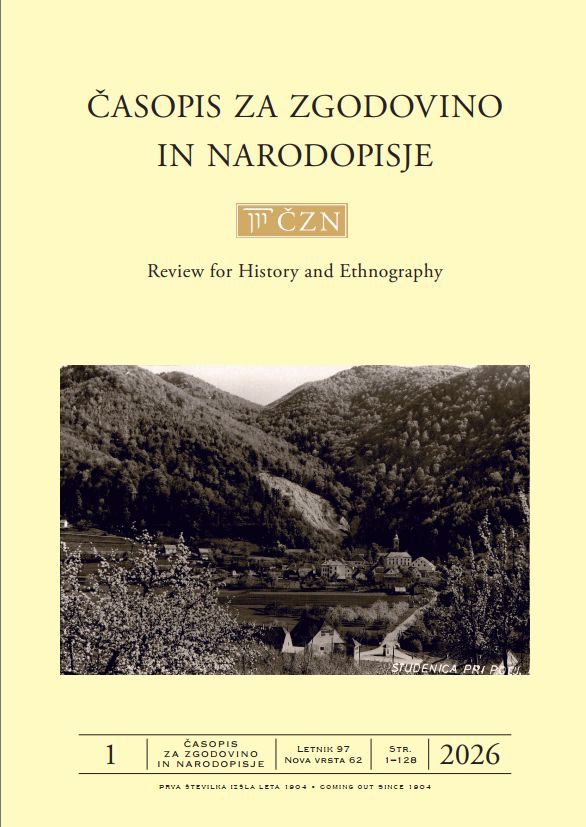
| Avtor (eng. Author) |
Lilijana Urlep |
|
DOI |
|
|
PDF |
|
|
Številka (eng. Number) |
|
| Ključne besede | Studenice, cerkveni patronat, cerkvena zgodovina, cerkveno odvetni štvo, krajevna zgodovina. |
| Keywords | Studenice, ecclesiastical patronage, Church history, ecclesiastical advocacy, local history. |
| Povzetek |
|
Studeniški samostan oziroma kasneje zemljiško gospostvo Studenice je stoletja izvrševalo cerkveni patronat in deloma [nižje] odvetništvo nad patronatnimi župnijami, ki so nastale na področju pražupnije Slivnica pri Mariboru. Patronatno pravo pomeni pravice in dolžnosti, ki jih pravna ali fizična oseba pridobi z ustanovitvijo cerkve in cerkvene službe ali samo službe. Med pravicami je bila najpomembnejša prezentacijska/predlagalna pravica imetnika patrona, da pristojnemu škofu ordinariju predlaga novega duhovnika ali beneficiata v potrditev. Patronat se je načeloma razvil v povezavi s fevdnim sistemom in lastniškimi cerkvami v procesu oblikovanja škofijske župnijske mreže. Patronat izhaja iz preobrazbe prvotnih lastniških cerkva v škofijske, pri čemer je bivšim imetnikom last niških cerkva pripadla prezentacijska pravica. Odvetništvo, imenovano tudi vogtija ali advokatura, pomeni upravljanje in zastopanje cerkvenih (največkrat višjih) ustanov pred civilnim sodiščem. Podobno je nižje odvetništvo, torej odvetništvo nad posameznimi župnijami/cerkvami, katerega izvor je dokaj nejasen. Studeniški dominikanski samostan, ki ga je ustanovila Zofija Rogaška, je do patronata prišel na osnovi inkorporacije. Inkorporacija pomeni prenos pravic, tako gmotnih kot materialnih, na drugega upravičenca. V praksi se je to največkrat kazalo tako, da so bile župnije inkorporirane posameznim samostanom. V ozadju je bila gmotna pomoč samostanom ali drugim ustanovam. Oglejski patriarh Bertold AndeškoMeranski je leta 1245 samostanu dominikank v Studenicah inkorporiral oziroma dodelil (pra)župnijo Slivnico, kar je potrdil tudi leta 1249. Ker je samostan stal na področju konjiške in ne slivniške pražupnije, je leta 1251 prišlo do zamenjave župnij/cerkva. Konjiški župnik je samostanu v zameno za cerkvi v Tinju in pri sv. Venčeslu izročil cerkvi v Poljčanah in Laporju, v bližini katerih je bil samostan, z vsemi pripadajočimi pravicami vred. Od inkorporacije naprej je samostan izvrševal patronatne pravice nad vsemi župnijami, ki so nastale na področju [preoblikovene] slivniške pražupnije. Čeprav je bilo v letih 1245 in 1249 določeno, da samostanu pripada samo prezentacijska pravica pri slivniški župniji, pri novo nastalih vikariatih pa ne, se je kasneje to spremenilo, tako da so dominikanke predlagale ordinariju (oglejskemu patriarhu) v potrditev duhovnike pri vseh župnijah in vikariatih. Deželnoknežji vizitacijski zapisnik iz leta 1544/1545 celo kaže, da so bile vse župnije in vikariati v njihovih polnih pravicah (samostan oz. dominikanke so imele celo pravico, da so potrjevale duhovnike), niso pa imele odvetništva. Do sprememb je prišlo po tridentinskem koncilu, ki je prepovedal oziroma omejil inkorporacije in določil načine za podeljevanje službenih mest. Spremenjeno stanje se kaže v vizitacijskih zapisnikih goriškega nadškofa Karla Mihaela Attemsa v drugi polovici 18. stoletja. V tem času so imele dominikanke odvetniške in patronatne pravice pri vseh župnijah in vikariatih na podro čju nekdanje slivniške župnije. Samostan je vseskozi pazil na svoje pravice; tako je npr. nasprotoval nadškofu Attemsu pri ustanovitvi vikariata v Poljčanah. Načeloma so tudi v novem veku samostanu pripadale patronatne pravice pri novoustanovljenih vikariatih. Z imenovanjem župnikov so lahko patroni vplivali na in oblikovali na versko življenje in prakse v patronatnih župnijah. Ko je bil samostan leta 1782 ukinjen in premoženje podržavljeno, so patronati prišli na štajerski verski sklad, ko pa je studeniško zemljiško gospostvo leta 1827 prešlo v roke zasebnih lastnikov (Martin Linner, družina Sparovitz, Anton Papst, zakonca Egger, magdalenke), so ti prevzeli tudi patronate. Patronat je bil torej realni, povezan z lastništvom nepremičnine. V tem času je imelo studeniško zemljiško gospostvo oz. njegovi lastniki patronat nad župnijami Slivnica, Slovenska Bistrica, Šmartno na Pohorju, Črešnjevec, Poljčane, Laporje, Makole, Zgornja Polskava, Studenice, Cirkovce, Fram. Do leta 1859 so navedene župnije spadale pod dve škofiji, lavantinsko in sekavsko, po tem letu samo pod lavantinsko. Konec 18. in 19. stoletju se je pod vplivom posvetne zakonodaje, ki je sledila smernicam tridentinskega koncila, spremenil način prezentacije. Na razvoj patronata oziroma na način izvrševanja patronatnih pravic je vplivala tudi posvetna zakonodaja. Medtem ko so dominikanke lahko prosto predlagale kandidate, pa so bili patroni v 19. stoletju vezani na javni razpis. Ko je bila župnija izpraznjena, je pristojni ordinariat razpisal prosto mesto, na katero se je lahko prijavil vsak duhovnik. Škofija je poslala patronu seznam vseh prosilcev (za laičnega patrona) ali pa seznam treh kandidatov, patron pa je moral predlagali nekoga s seznama. V 20. stoletju je patronate dodatno omejil leta 1917 kodificirani zakonik cerkvenega prava Codex Iuris Canonici. Patronat je bil povezan tudi z dolžnostmi, predvsem finančnimi bremeni. Pri obnovah in nadomestnih gradnjah je moral patron pokriti del stroškov; od leta 1864 naprej je delež patrona znašal eno tretjino. Ker so magdalenke zaradi številnih zahtevkov po finančnih prispevkih ali tangentah patronat občutile kot breme, so pred prvo svetovno vojno začele postopek za odkup patronatov. Najprej so poskušale patronate prenesti na štajerski verski sklad; ko pa je bilo to zavrnjeno, so se lotile postopka za odkup. Do odkupa je prišlo v 20. in 30. letih 20. stoletja. Po odkupu je župnije prosto podeljevala lavantinska škofija. Z odkupom se je končala 700letna tradicija patronata samostana in kasneje gospostva Studenice nad patronatnimi župnijami. Praksa patronata se je na slovenskih tleh sicer obdržala do druge svetovne vojne oziroma spremenjenih družbeno političnih razmer po vojni. |
|
Summary
|
|
For centuries, the Studenice convent, and later the Studenice landed estate, exercised ecclesiastical patronage and, to some extent, [lower] advocacy over the parishes under its patronage that had been established within the territory of the ancient parish of Slivnica near Maribor. The right of patronage comprised the rights and obligations acquired by a legal or natural person through the foundation of a church and an ecclesiastical office, or of an ecclesiastical office alone. The most important of these rights was the patron’s right of presentation, namely the right to nominate a new priest or benefice holder to the competent bishop or ordinary for confirmation. In principle, patronage developed in connection with the feudal system and proprietary churches during the formation of the diocesan parish network. Patronage arose from the transformation of the original proprietary churches into diocesan churches, with the former holders of proprietary churches retaining the right of presentation. Advocacy, also known as Vogtei or advocatia, refers to the administration and legal representation of ecclesiastical institutions, usually higherranking ones, before secular courts. Lower advocacy, meaning advocacy over individual parishes or churches, was similar in nature, although its origins remain rather unclear. The Dominican convent in Studenice, founded by Zofija Rogaška, acquired its patronage rights through incorporation. Incorporation involved the transfer of rights, including economic and material rights, to another beneficiary. In practice, this most commonly took the form of individual parishes being incorporated into particular convents or monasteries, with the underlying purpose of providing financial support to these or other institutions. In 1245, Berthold of AndechsMerania, Patriarch of Aquileia, incorporated, or granted, the ancient parish of Slivnica to the Dominican convent in Studenice, an act he confirmed again in 1249. Since the convent was situated within the territory of the an cient parish of Konjice rather than that of Slivnica, an exchange of parishes/churches took place in 1251. In exchange for the churches in Tinja and St Wenceslaus, the parish priest of Konjice transferred to the convent the churches in Poljčane and Laporje, near which the convent was situated, together with all associated rights. From the time of incorporation onwards, the convent exercised patronage rights over all parishes established within the territory of the [reorganised] ancient parish of Slivnica. Although in 1245 and 1249 it was stipulated that the convent held only the right of presentation in the parish of Slivnica and not in the newly established vicariates, this subsequently changed, and the Dominican nuns presented priests for all parishes and vicariates to the ordinary (the Patriarch of Aquileia) for confirmation. A visitation record commissioned by the territorial prince in 1544/1545 even indicates that all the parishes and vicariates were under their full authority (the convent or the Dominican nuns even had the right to confirm priests), but the convent did not hold the advocacy over them. Changes occurred following the Council of Trent, which prohibited or restricted incorporations and laid down procedures for appointments to ecclesiastical offices. The changed situation is reflected in the visitation records of Karl Michael von Attems, Archbishop of Gorizia, from the second half of the 18th century. At that time, the Dominican nuns held rights of advocacy and patronage over all parishes and vicariates within the territory of the former parish of Slivnica. The convent consistently safeguarded its rights; for example, it opposed Bishop Attems over the establishment of a vicariate in Poljčane. In principle, even in the early modern period, the convent retained patronage rights over newly established vicariates. Through the appointment of parish priests, patrons were able to influence and shape religious life and practices in the parishes under their patronage. When the convent was dissolved in 1782 and its property nationalised, the patronage rights passed to the Styrian Religious Fund. When the Studenice landed estate passed into private ownership in 1827 (Martin Linner, the Sparovitz family, Anton Papst, the Egger couple, and the Magdalene Sisters), the new owners also assumed the patronage rights. The patronage was therefore real patronage, attached to the ownership of immovable property. At that time, the Studenice landed estate, or its owners, held patronage over the parishes of Slivnica, Slovenska Bistrica, Šmartno na Pohorju, Črešnjevec, Poljčane, Laporje, Makole, Zgornja Polskava, Studenice, Cirkovce and Fram. Until 1859, these parishes belonged to two dioceses, Lavant and Seckau; after that year, they belonged solely to the Diocese of Lavant. At the end of the 18th century and during the 19th century, the procedure for presentation changed under the influence of secular legislation that followed the principles of the Council of Trent. Secular legislation also influenced the development of patronage and the manner in which patronage rights were exercised. While the Dominican nuns had been free to nominate candidates, patrons in the 19th century were subject to a public vacancy procedure. When a parish became vacant, the competent ordinariate advertised the vacant position, for which any priest could apply. The diocese sent the patron either a list of all applicants (in the case of a lay patron) or a list of three candidates, and the patron was required to nominate someone from the list. In the 20th century, patronage rights were further restricted by the Codex Iuris Canonici, the Code of Canon Law codified in 1917. Patronage also entailed obligations, particularly financial burdens. In cases of renovation and replacement construction, the patron was required to cover part of the costs; from 1864 onwards, the patron’s share amounted to one third. Because numerous requests for financial contributions or assessments caused the Magdalene Sisters to regard patronage as a burden, they initiated proceedings for the redemption of the patronage rights before the First World War. They first attempted to transfer the patronage rights to the Styrian Religious Fund; when this was rejected, they began the process of redeeming them. The redemption took place during the 1920s and 1930s. Following the redemption, the Diocese of Lavant was free to appoint priests to the parishes. The redemption brought to an end the 700year tradition of patronage exercised by the convent, and later by the Studenice estate, over the parishes under its patronage. The practice of patronage in the Slovenian lands nevertheless survived until the Second World War and the changed sociopolitical circumstances that followed it. |
|
Zusammenfasssung
|
|
Jahrhundertelang übte das Kloster Studenice, später das Gut Studenice, das Kirchenpatronat und teilweise die Vogtei für Patronatspfarreien im Gebiet der Urpfarrei Slivnica bei Maribor aus. Das Patronatsrecht umfasst die Rechte und Pflichten, die eine juristische oder natürliche Person durch die Gründung einer Kirche und eines Gottesdienstes oder auch nur eines Gottesdienstes erwirbt. Zu den wichtigsten Rechten zählte das Recht des Patronatsinhabers, dem zuständigen Bischof einen neuen Priester oder Benefiziat zur Be stätigung vorzuschlagen. Das Patronatsrecht entwickelte sich im Zusammenhang mit dem Feudalsystem und den Eigenkirchen im Zuge der Bildung des diözesanen Pfarrnetzes. Es entstand aus der Umwandlung der ursprünglichen Eigenkirchen in Diözesankirchen, wodurch die ehemaligen Eigentümer der Eigenkirchen das Recht der Präsentation erwar ben. Die Vertretung kirchlicher (meist höherer) Institutionen vor staatlichen Gerichten, auch Vogtija oder Advokatura genannt, bezeichnet deren Verwaltung und Repräsentation. Ähnlich verhält es sich mit der Vertretung einzelner Pfarreien/Kirchen, deren Ursprung jedoch weitgehend unklar ist. Das von Zofija Rogaška gegründete Dominikanerkloster in Studenice erlangte seine Patronatsrechte durch Inkorporation. Inkorporation bedeutet die Übertragung materiel ler Rechte an einen anderen Begünstigten. In der Praxis äußerte sich dies meist in der Eingliederung von Pfarreien in einzelne Klöster. Im Hintergrund stand die materielle Unterstützung von Klöstern und anderen Institutionen. 1245 inkorporierte bzw. übertrug der Patriarch von Aquileia, Bertold von AndechsMeranien, die Urpfarrei Slivnica dem Dominikanerkloster in Studenice, was er 1249 bestätigte. Da das Kloster im Gebiet Konjice und nicht in der Urpfarrei Slivnica lag, fand 1251 ein Pfarr bzw. Kirchentausch statt. Im Tausch gegen die Kirche in Tinj und bei St. Wenzel übergab der Pfarrer von Konjice dem Kloster die Kirchen in Poljčane und Laporje, in deren Nähe das Kloster lag, samt aller damit verbundenen Rechte. Von der Eingliederung an übte das Kloster das Patronatsrecht über alle Pfarreien im Gebiet der [reformierten] Urpfarrei Slivnica aus. Obwohl 1245 und 1249 festgelegt wurde, dass das Kloster nur in der Pfarrei Slivnica, nicht aber in den neu gegründeten Vikariaten das Präsentationsrecht besaß, änderte sich dies später. Die Do minikaner schlugen dem Ordinarius (dem Patriarchen von Aquileia) die Bestätigung der Priester aller Pfarreien und Vikariate vor. Der fürstliche Visitationsbericht von 1544/45 belegt sogar, dass das Kloster die vollen Rechte über die Pfarreien hatte (das Kloster bzw. die Dominikaner hatten sogar das Recht, Priester zu bestätigen), jedoch nicht die Vogtei. Nach dem Konzil von Trient, das Inkorporationen verbot oder einschränkte und die Ver fahren zur Vergabe von Pfarrämtern festlegte, traten Veränderungen ein. Diese veränderte Situation spiegelt sich in den Visitationsberichten des Erzbischofs von Görz, Karl Mihael Attems, aus der zweiten Hälfte des 18. Jahrhunderts wider. Damals besaßen die Dominika nerinnen in allen Pfarreien und Vikariaten im Gebiet der ehemaligen Pfarrei Slivnica das Patronatsrecht. Das Kloster achtete stets auf seine Rechte; so widersetzte es sich beispiels weise Bischof Attems‘ Vorhaben, ein Vikariat in Poljčane zu errichten. Prinzipiell besaß das Kloster auch in neu gegründeten Vikariaten der Neuzeit das Patronatsrecht. Durch die Ernennung von Pfarrern konnten die Patrone das religiöse Leben und die religiösen Praktiken in den Patronatspfarreien beeinflussen und prägen. Nach der Auflösung des Klosters 1782 und der Verstaatlichung des Besitzes fielen die Patronatsrechte an den steirischen Religionsfonds. Als die Gutsherrschaft Studenice 1827 in Privatbesitz überging (Martin Linner, Familie Sparovitz, Anton Papst, Ehepaar Egger, Schwestern Magdalenerinnen), übernahmen auch diese die Patronatsrechte. Das Patronatsrecht war somit real und an den Besitz gebunden. Zu jener Zeit übten die Gutsherr schaft Studenice bzw. ihre Eigentümer das Patronatsrecht über die Pfarreien Slivnica, Slovenska Bistrica, Šmartno na Pohorju, Črešnjevec, Poljčane, Laporje, Makole, Zgornja Polskava, Studenice, Cirkovce und Fram aus. Bis 1859 gehörten die genannten Pfarreien zu den beiden Diozesen Lavant und Secckau, danach nur noch zu Lavant. Ende des 18. und im 19. Jahrhundert änderte sich unter dem Einfluss weltlicher Gesetze, die den Richtlinien des Konzils von Trient folgten, das Verfahren zur Patronatsvergabe. Auch die Entwicklung des Patronatsrechts, also die Ausübung der Patronatsrechte, wurde durch weltliche Gesetze beeinflusst. Während Dominikanerinnen Kandidaten frei vorschlagen konnten, war die Patronatsvergabe im 19. Jahrhundert an eine öffentliche Ausschreibung gebunden. Bei einer vakanten Pfarrstelle schrieb das zuständige Ordinariat die Stelle aus, auf die sich jeder Priester bewerben konnte. Die Diözese übermittelte dem Patron eine Liste aller Bewerber (für einen Laienpatron) oder eine Liste mit drei Kandida ten, aus der der Patron einen Kandidaten vorschlagen musste. Im 20. Jahrhundert wurden die Patronatsrechte durch den Codex Iuris Canonici von 1917 weiter eingeschränkt. Das Patronat war auch mit Pflichten, insbesondere finanziellen Belastungen, verbunden. Bei Renovierungen und Neubauten musste der Patron einen Teil der Kosten tragen; ab 1864 betrug sein Anteil ein Drittel. Da die Magdalenerinnen das Patronat aufgrund zahlreicher finanzieller Bitten und Anfragen als Belastung empfanden, leiteten sie vor dem Ersten Weltkrieg das Verfahren zum Aufhauf der Patronate ein. Zunächst versuchten sie, die Patronate an den steirischen Religionsfonds zu übertragen; als dies abgelehnt wur de, leiteten sie das Verfahren zum Aufhauf ein. Der Aufhauf erfolgte in den 1920er und 1930er Jahren. Nach dem Aufhauf vergab die Diözese Lavant die Pfarreien frei. Mit dem Aufhauf endete die 700jährige Tradition des Patronats durch das Kloster und später die Grundherrschaft Studenice über die Patronatspfarreien. Die Praxis des Patronats wurde auf slowenischem Boden bis zum Zweiten Weltkrieg und der veränderten soziopolitischen Lage nach dem Krieg aufrechterhalten. |
|
Viri in literatura
Arhivski viri
NŠAM – Nadškofijski arhiv Maribor Dekanijski šematizmi. Magdalenke Studenice. Pomožne knjige. Popis cerkva, D III – Slovenska Bistrica. Škofijska pisarna, D III – Slovenska Bistrica. Škofijska pisarna, D XX – Dravsko polje. Škofijska pisarna, F 83 – patronat in odvetništvo. Škofijska pisarna, P 5 – redovnice. PAM – Pokrajinski arhiv Maribor Samostan in gospostvo Studenice. Objavljeni viri Höfer, Rudolf K. (ur.) Die landesfürstliche Visitation der Pfarren und Klöster in der Steiermark in den Jahren 1544/1545: Edition der Texte und Darstellung zu Nachrichten über das kirchliche Leben. Graz: Selbstverl. der Historischen Landeskommission für Steiermark, 1992. Ožinger, Anton (ur.) Vizitacijski zapisniki savinjskega arhidiakonata goriške nadškofije = Atti delle visite pastorali nell’arcidiaconato di valle Saunia della arcidiocesi di Gorizia = Die Berichte der Pastoralvisitationen im Archidiakonat Saunien der erzdiözese Görz: 1751–1773. Ljubljana: Arhiv Republike Slovenije: Inštitut za zgodovino Cerkve Teološke fakultete: Znanstveni inštitut Filozofske fakultete, 1991. Šematizmi sekavske in lavantinske škofije. UBSt II – Urkundenbuch des Herzogthums Steiermark II (ur. Joseph von Zahn). Graz: Verlag des Historischen Vereines, 1879. UBSt III – Urkundenbuch des Herzogthums Steiermark III (ur. Joseph von Zahn). Graz: Verlag des Historischen Vereines, 1903. Urlep, Lilijana. Opisa lavantinske škofije iz leta 1702 in leta 1790. Viri/Arhivsko društvo; 9. Ljubljana: Arhivsko društvo Slovenije, 2024. Spletni viri 23. in 24. seja tridentinskega koncila, dostopno na: https://www.papalencyclicals.net/ councils/trent.htm, pridobljeno 27. 8. 2025. Gesetz vom 28. April 1864, betreffend die Bestreitung der Kosten der Herstellung und Erhaltung des katholischen Kirchen und Pfründengebäude, dann der Beischaffung der KirchenParamente, Einrichtung und Erfordernisse, 8. člen, dostopno na: https://alex. onb.ac.at/cgicontent/alex?aid=lgm&datum=1864&page=59&size=45, pridobljeno 26. 9. 2025. Gesetz vom 7. Mai 1874, mit welchem behufs Bedeckung der Bedürfnisse des katholischen Cultus die Beiträge zum Religionsfonde geregelt werden, dostopno na: https:// alex.onb.ac.at/cgicontent/alex?aid=rgb&datum=1874&page=133&size=55, pridobljeno 26. 9. 2025. Literatura Ambrožič, Matjaž. Patronatno pravo in jožefinski patronati kranjskega verskega sklada. Bogoslovni vestnik = Theological Quarterly 72 (2012), št. 1, str. 71–88. Bele, Martin. Rodbina KonjiškoRogaških. Acta Histriae 27 (2019), št. 3, str. 477–494. Höfler, Janez. O prvih cerkvah in župnijah na Slovenskem: k razvoju cerkvene teritorialne organizacije slovenskih dežel v srednjem veku. Ljubljana: Viharnik, 2013. Hytrek, Adolf. Sophie von Rohitsch und das Stift und Gotteshaus Studenitz. Studenitz: St. Cyrillus Buchdruckerei, 1895. Koropec, Jože. Zbelovo, Studenice, Pogled do srede 17. stoletja. Ġasopis za zgodovino in narodopisje = Review for history and ethnography 51 (1980), št. 2, str. 239–283. Kovačič, Franc. Zgodovina Lavantinske škofije: (1228–1928). Maribor: Lavantinski kn. šk. ordinariat, 1928. Kostanjšek Brglez, Simona, in Urlep, Lilijana. Studenice, drobci iz zgodovine samostana. Nadškofijski arhiv Maribor, Občina Poljčane in Zgodovinsko društvo dr. Jožeta Koropca Slovenska Bistrica, 2025 (razstavni panoji). Kušej, Rado. Cerkveno pravo katoliške in pravoslavne cerkve: s posebnim ozirom na razmere v kraljevini Srbov, Hrvatov in Slovencev. V Ljubljani: Juridična fakulteta, 1923. Mlinarič, Jože. Studeniški dominikanski samostan: ok. 1245–1782. Celje: Mohorjeva družba, 2005. Orožen, Ignacij. Das Bisthum und die Diözese Lavant. Th. 1, Das Bisthum, das Domkapitel und die Dekanate: Marburg, Mahrenberg, Jaring, St. Leonhard in W. B., Kötsch und Zirkoviz. Marburg: F. V. Lavant. Ordinariates, 1875. Pirchegger, Hans. Erläuterungen zum Historischen Atlas der österreichischen Alpenländer. 2. Abteilung: Die Kirchen- und Grafschaftskarte, Teil 1: Steiermark. Dunaj 1940. Wahrmund, Ludwig. Das Kirchenpatronatrecht und seine Entwicklung in Oesterreich, 1. in 2. zvezek. Wien: A. Hölder, 1894–1896. Wetzer und Welte’s Kirchenlexikon oder Encyklopädie der katolischen Theologie und ihrer Hilfswissenschaften. 2. Aufl. / in neuer Bearbeitung, unter Mitwirkung vieler katolischen Gelehrten begonen von Joseph Cardinal Hergenröther, forgesetzt von Franz Kaulen. Neunter Band: Naama bis Šignatelli. Freiburg im Breisgau: Herder’sche Verlagshandlung, 1895. |